AIFAME — AI NEWS
DID THIS MEMORY EVER HAPPEN?
AI can now create images of the past that look as though a camera had been there all along. AIFAME examines what that means for documentary cinema, memory and visual truth.
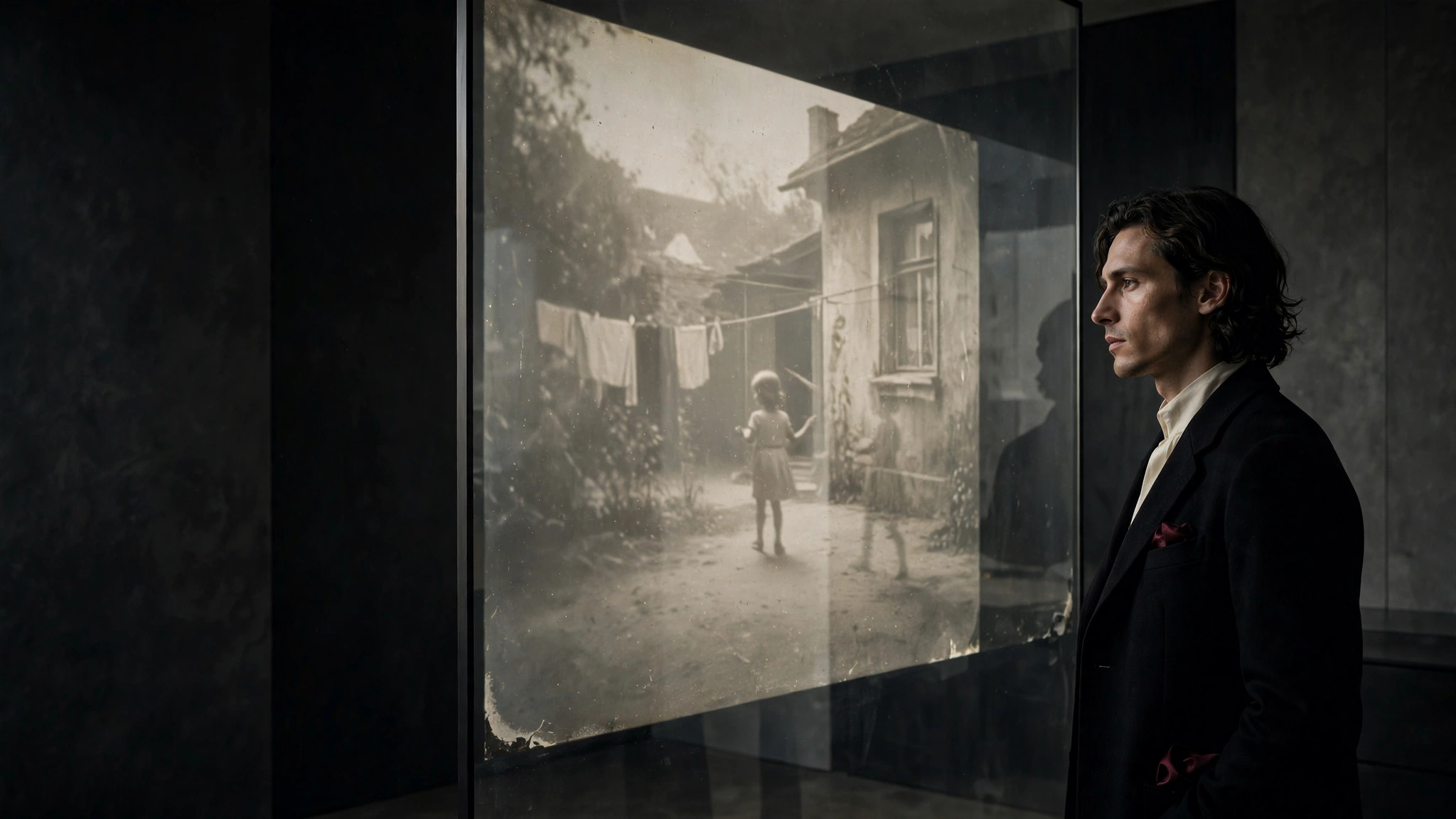
Visual: AIFAME Studio / AI-generated
AIFAME — AI NEWS
AI, DOCUMENTARY FILM AND THE NEW PROBLEM OF VISUAL TRUTH
Documentary cinema has always carried an unspoken promise: that what we are seeing remains connected, in some meaningful way, to something that actually happened. An image may be edited, restored, reframed or placed within a particular narrative, but it still arrives with the authority of having once existed in front of a camera. AI is beginning to complicate that relationship. Not because cinema has suddenly discovered how to invent reality — filmmaking has always reconstructed, interpreted and imagined — but because artificial intelligence can now create images of the past that look as though a camera had been there all along.
That question has moved directly into contemporary cinema with Be Brave, Francesco Carrozzini’s documentary about Diesel and OTB founder Renzo Rosso. Presented out of competition at the Venice Film Festival, the film combines interviews and archival material with AI-generated imagery to visualise parts of Rosso’s life for which no conventional footage exists, including memories from his childhood. Carrozzini has described the technology not as a novelty added around the edges of the film, but as a deliberate storytelling device. The film’s presentation in Venice places that choice at the centre of a wider conversation about technological progress and the nature of human creativity.
This is where the distinction becomes important. Traditional reconstruction usually announces itself. An actor plays a younger person, a set recreates a vanished room, a costume signals another decade. The audience understands the agreement: what it is watching represents the past without claiming to be the original image of it. Generative AI changes that agreement because it can produce something with the visual language of an archive. A childhood can acquire motion. A face can appear at an age for which no moving image survives. A memory that once existed only in a person’s mind can suddenly resemble footage recovered from history.
There is something undeniably powerful about that possibility. Human memory has never been complete. We retain fragments: a room, a voice, a gesture, a story repeated by a parent, an atmosphere that is more emotional than photographic. Cinema has always attempted to give form to those absences. AI simply gives filmmakers a radically more convincing way of doing it. For Rosso, seeing a synthetic version of moments from his childhood was reportedly deeply emotional precisely because those images did not otherwise exist.
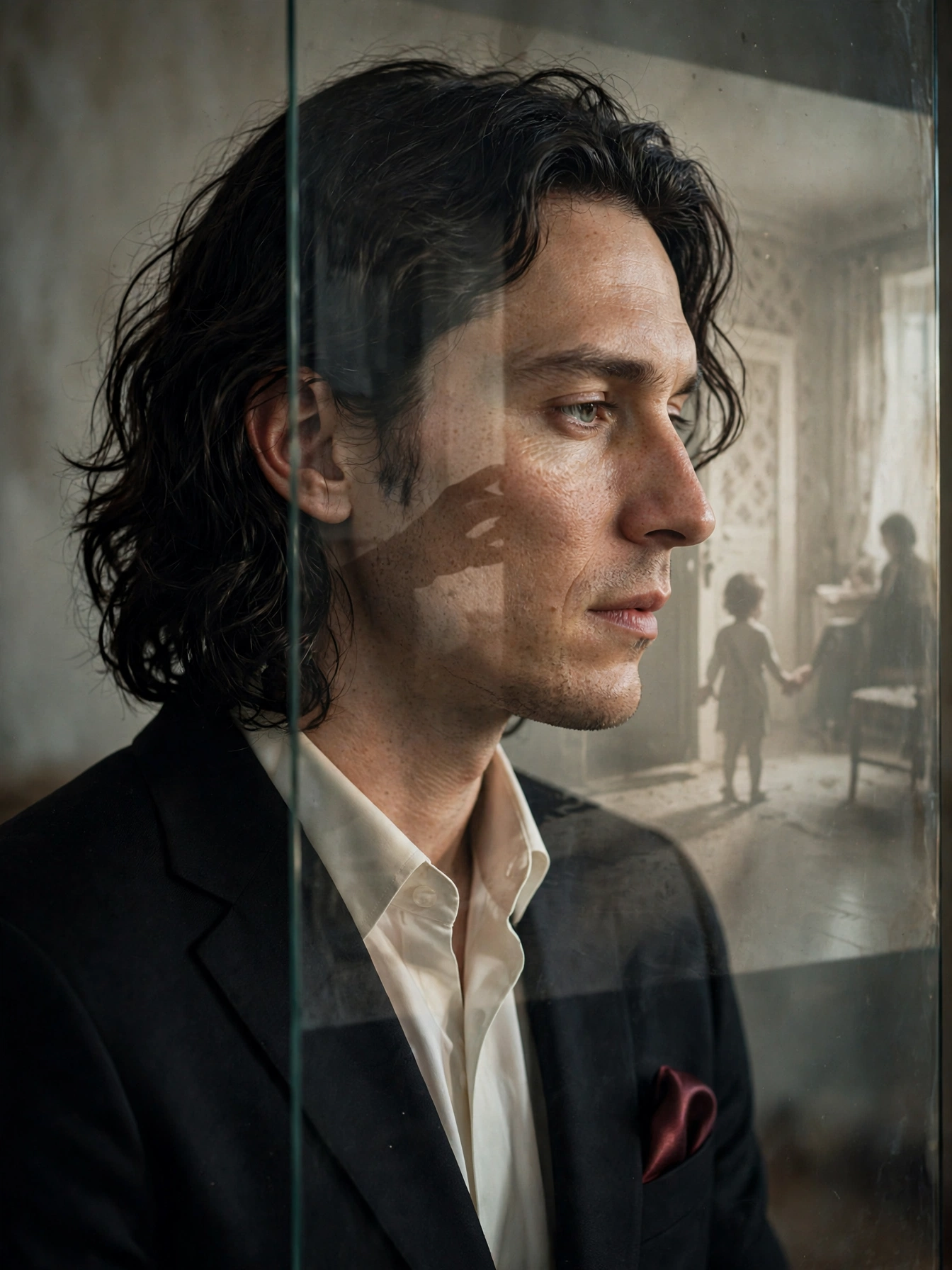
But that is also where language matters. AI does not recover a missing photograph or uncover a forgotten reel of film. It creates a new image based on what we know, remember or imagine about a moment that has already disappeared. That image may feel emotionally accurate. It may even help us understand the person at the centre of the story. But emotional accuracy and historical evidence are not the same thing.
Documentary cinema has never been completely neutral. Editing decides what comes before and after. Music shapes emotion. A filmmaker chooses where a camera stands, which archive survives the final cut and whose testimony becomes part of the narrative. Documentary has always been authored. The difference now is that authorship can extend into the visual record itself. Instead of selecting an image that exists, a filmmaker can create one that never did — while giving it the appearance of something that might have.
That does not automatically make the process deceptive. Used transparently, AI reconstruction could become an extraordinary extension of documentary language. It could visualise periods for which no archive survives, help audiences understand memories that exist only through testimony or allow a filmmaker to distinguish between factual record and subjective recollection in entirely new ways. The ethical problem begins when that distinction disappears. If a generated childhood scene looks exactly like authentic archive footage, the audience needs some way of understanding what kind of image it has been asked to believe.
The question, therefore, should not simply be whether AI belongs in documentary filmmaking. It already does. The more useful question is what responsibilities arrive with it. Was a generated sequence based on verified information or on creative interpretation? Was a real person’s likeness recreated with consent? Does the film allow viewers to distinguish archive from reconstruction? Who decided what an event that was never filmed should look like? And does the synthetic image help us understand a truth — or merely make a version of that truth more persuasive?
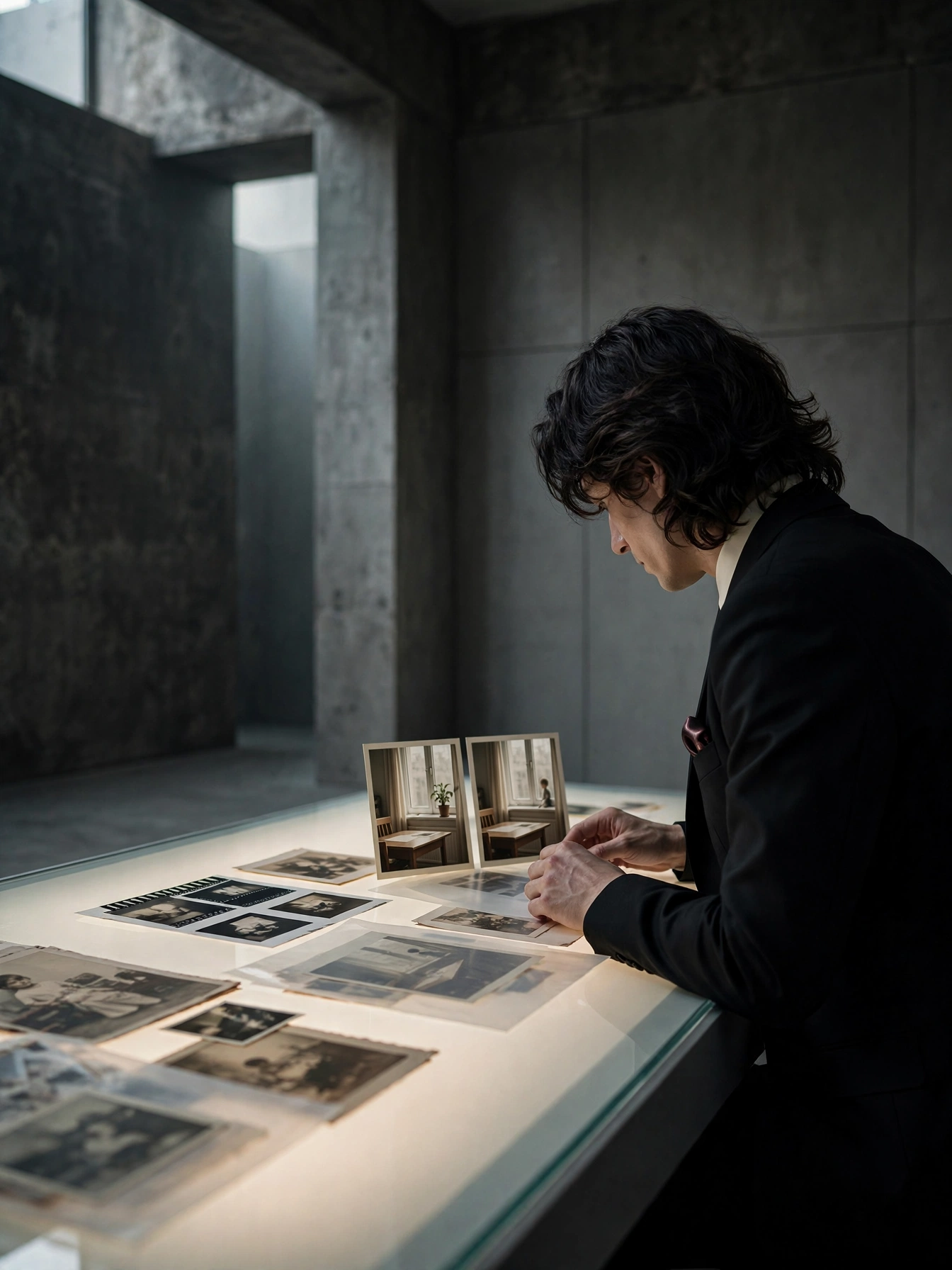
These distinctions will matter increasingly as AI becomes less visible. The better synthetic imagery becomes, the less the technology announces itself. Eventually, technical imperfections may no longer give the audience any reason to question what it sees. At that point, transparency will not be a cosmetic label attached to the end credits. It will become part of the relationship between filmmaker and viewer.
Because visual truth and factual truth are not identical. A generated scene can communicate grief, childhood, intimacy or memory with extraordinary emotional precision without becoming evidence that the depicted moment unfolded exactly that way. That tension does not diminish the artistic value of the image. It simply changes what the image is.
And perhaps that is the real opportunity for documentary cinema. AI does not need to impersonate an archive in order to be meaningful. It can become its own cinematic language — a way of making memory visible while remaining honest about the fact that memory is being interpreted. The strongest use of AI may not be the image that convinces us it is real, but the image that allows us to understand something reality never managed to record.
The future of documentary film may therefore depend less on defending an absolute border between reality and artificial intelligence than on protecting the trust that exists on either side of that border. AI can reconstruct what the archive has lost. It can visualise what memory can only describe. It can give form to moments for which no image ever existed.
The more convincing those images become, however, the greater the responsibility behind them becomes too. The defining question may no longer simply be whether a moment really happened.
It may be whether we understand which part of what we are seeing actually did.
AIFAME — AI NEWS
Cinema · Culture · Memory · Artificial Intelligence
AIFAMEMAGAZINE.COM